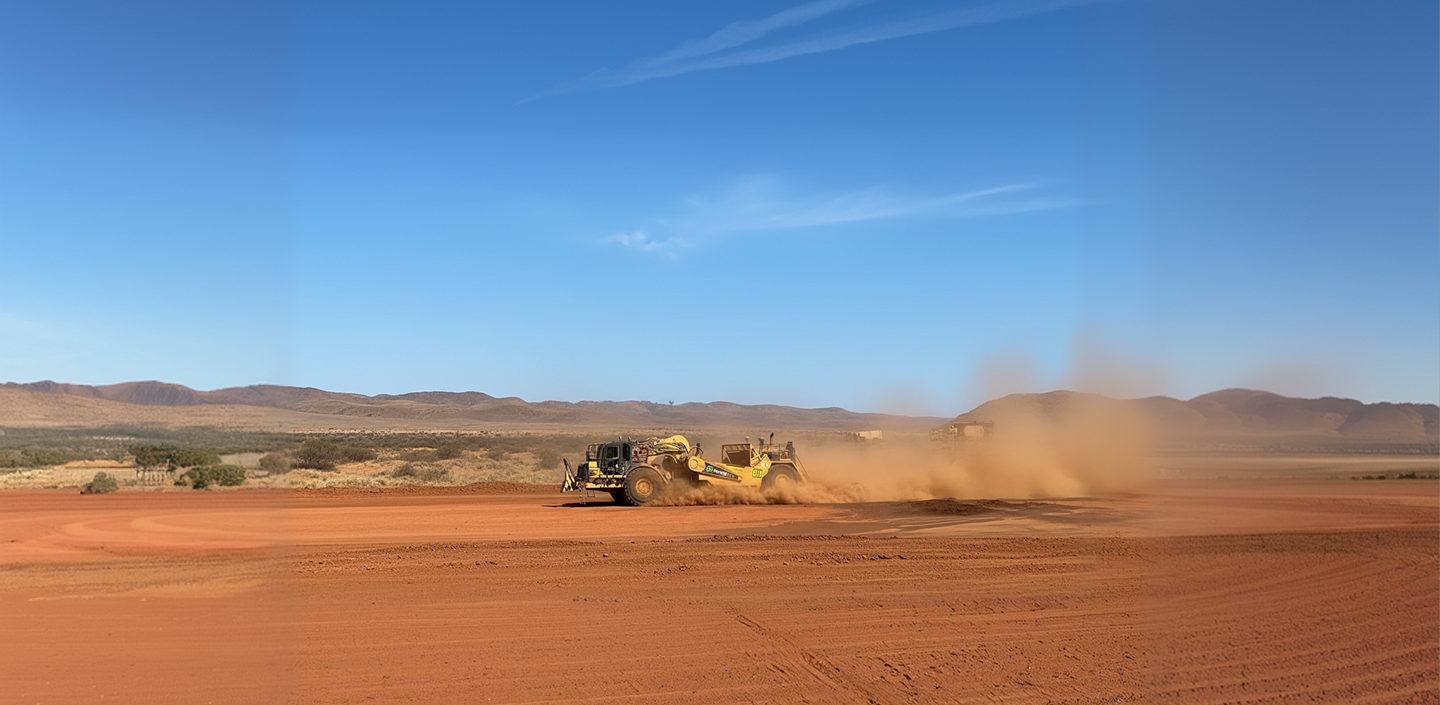
Your project sits a thousand kilometres from the nearest town. The machine that goes down out there does not stop one job. It stops the whole site. Parts are days away, labour is harder again, and every hour the gear sits idle is money off your bottom line.
That is the part of remote work most hire companies would rather not talk about. Getting a machine to a remote site is the easy bit. Keeping it running is the job. It is the reason a lot of suppliers stay close to the city. It is also where we have spent years getting good.
Remote work is the job, not the exception
Ask Brett Lenz, one of our managers, where the work happens, and the list runs a long way past the city limits. Far North Queensland up on the Cape. Across to the Northern Territory through McArthur River, Groote Eylandt and the Tanami Desert. Far western New South Wales and Queensland, out past Diamantina. Defence projects in country as remote as Delamere and Bradshaw Station.
“Remote work is a core part of what we do,” Brett says. “We’ve been built on the reality of working in remote locations. Some of our biggest projects are still in remote locations.”
That covers mining and resources, civil infrastructure, roads and rail, energy and defence. Hard rock, coal and critical minerals one week. A wind or solar project the next. The common thread is distance, and the work it takes to beat it.
Getting the machine there is the easy part
A lot of hire businesses treat a remote job as the exception. For us it is the plan. Mobilisation gets planned in detail before a machine leaves the yard: transport, scheduling, contingencies, and a service plan to match the hours the machine is going to do.
That is where the difference shows. Anyone can drop a machine on a pad. Out past the bitumen, the real question is day ninety. Something lets go, and the nearest branch is a long way away. We work that out up front. Pre-planned servicing, PM service kits, oils and parts staged on site. Telematics reporting back off the machine, so problems can get seen before they become breakdowns.
“We understand the cost of downtime, to the client and to us, is significant,” Brett says. The point of all of it is simple. A site wants one thing, and that is the machine turning wheels, pushing dirt, moving product.
It is why the conversation starts before the contract does. Plenty of customers know their site inside out. Our job is to flag what they have not had to think about yet. Usually, that is service, and keeping the excavators, dozers and rollers going for the life of the job.
One machine or 170, same level of support
Remote does not always mean big. We have put a single roller on a council job in far western Queensland. We have also run projects carrying 170 machines, with the logistics planned day by day, sometimes hour by hour.
The model holds at both ends. A small operator gets the same branch, the same service coordinator, and the same account manager as the Tier 1. “That smaller customer is just as important to us as the large customer,” Brett says. “They have got a job to do and a project to deliver.”
There is a commercial logic to it as well. The single machine on a remote site today is often the start of something. Get the support right, and the fleet grows from there. We have seen it plenty of times. One machine in, the client sees how it is backed, and the order quietly climbs.
The people who make remote work
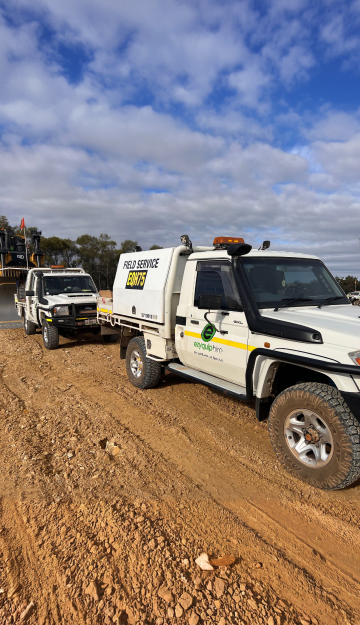
The gear is only half of it. Whichever branch is closest owns the project, so you deal with people who know the country, not a call centre three states away. Depending on the job, that runs from straight equipment hire, to operated machines, to field service crews and servicemen who stay on site to keep the gear running.
Remote work asks for a different mindset. It rewards people who can solve a problem on the spot, own the outcome, and adapt when the plan meets the weather. That means wet seasons, cyclones and floods, none of which care about your program.
One job sums it up. On a remote defence project in the Northern Territory, we had both machines and operators committed when COVID shut transport down. Rather than let the site stall, we flew the crews in on chartered flights to hold the uptime the job demanded. That is the bit you do not see on a rate sheet. It is also the bit that decides whether a remote project lands on time.
Why we go where others won’t
There is a reason this matters more every year. Australia’s big projects keep moving further from the cities, into critical minerals, rare earths and the energy transition, into the regional infrastructure that holds all of it together. That work does not happen without gear, and gear does not happen out there without a supply chain strong enough to back it.
“Remote capability is our real advantage,” Brett says. “It is probably not just an advantage. It is becoming essential to do business in many of those remote areas.”
We saw that early, chasing the gas work into the Surat Basin and opening a branch in Roma back in 2012. The remote know-how has been earned one hard job at a time since. And we are proud to support our customers in those environments, metro or a thousand kilometres past it.
It is the same promise either way. A breakdown in the middle of nowhere will not sink your project, because the support comes with the gear.
FAQ
Where does Ezyquip provide remote equipment hire?
We cover Queensland, New South Wales and the Northern Territory, including Far North Queensland and the Cape, far western QLD and NSW, and remote NT sites such as McArthur River, Groote Eylandt and the Tanami region. The nearest branch takes the lead on each project.
What happens if a machine breaks down in a remote location?
We plan for that before the machine leaves the yard. Depending on the job, we back remote gear with pre-planned servicing, PM service kits and parts staged on site, telematics monitoring, and field service crews who can be mobilised to keep the machine running.
Can Ezyquip support both small operators and large projects?
Yes. Whether it is one machine for a council job or 170 on a major project, you get the same branch, service coordinator and account manager. The level of support does not change with the size of the order.
What types of projects does Ezyquip work on?
Mining and resources, civil infrastructure, roads and rail, defence, and energy projects including gas, wind and solar, with a strong focus on remote and regional sites.
Get the gear and the support that keeps it running
Got a remote job others have knocked back? That is the kind of work we were built for. Call 1300 399 784 to get the gear you need, when you need it.
Five branches across QLD, NSW and the NT, one standard of support. How Ezyquip keeps your gear running, from Toowoomba to the Tanami.
We have rebuilt our website around one question: Does this make life easier for our customers? Search by industry, machine, brand or task, and find the gear you need in fewer clicks.
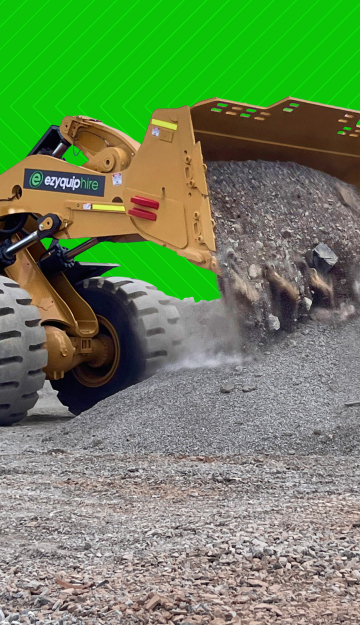
From 50 machines to 760. The Ezyquip story: how a people-first plant and equipment business grew across QLD, NSW and the NT, and why the gear is only half of it.
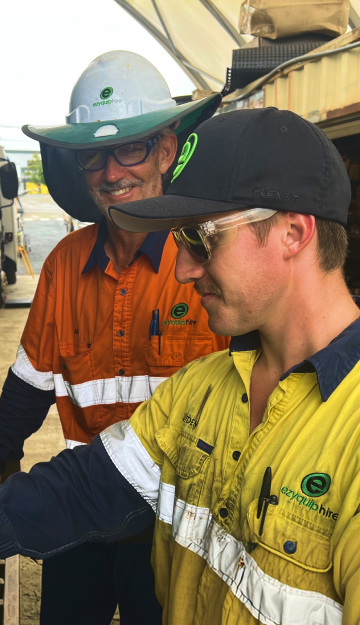
Ezyquip is a 2026 Queensland Training Awards finalist for Large Employer of the Year, recognised for training and career growth across regional branches.
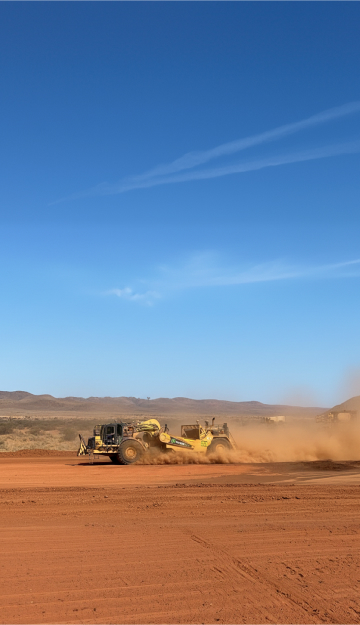
Remote equipment hire built for the long haul. We keep one machine or a fleet of 170 running 1,000km from the nearest town.
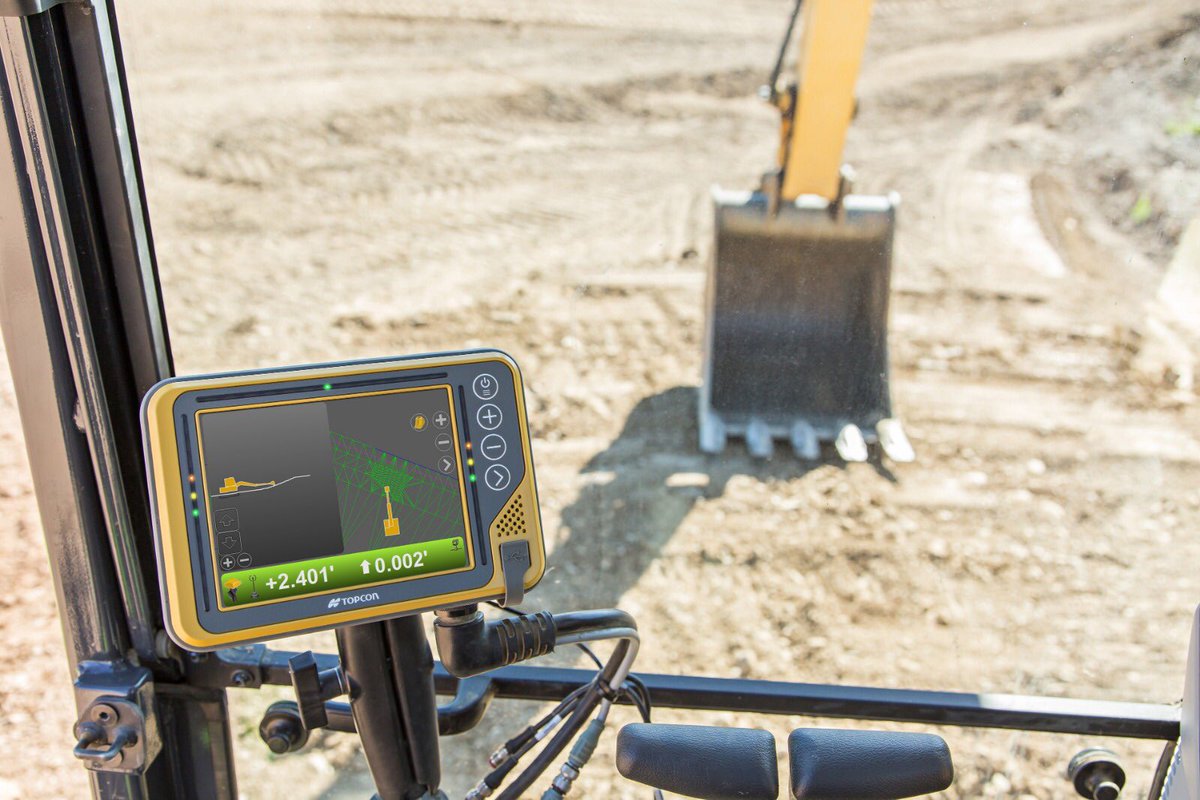
GPS, or Global Positioning Systems is a technology that has been around for decades. But in more recent years this technology has been developed for use in the construction and earthmoving industries as a way to monitor and control machinery. GPS can even be used for machine control with an array of equipment and is a flexible and accurate solution for achieving grade, reducing waste material, and improving productivity.
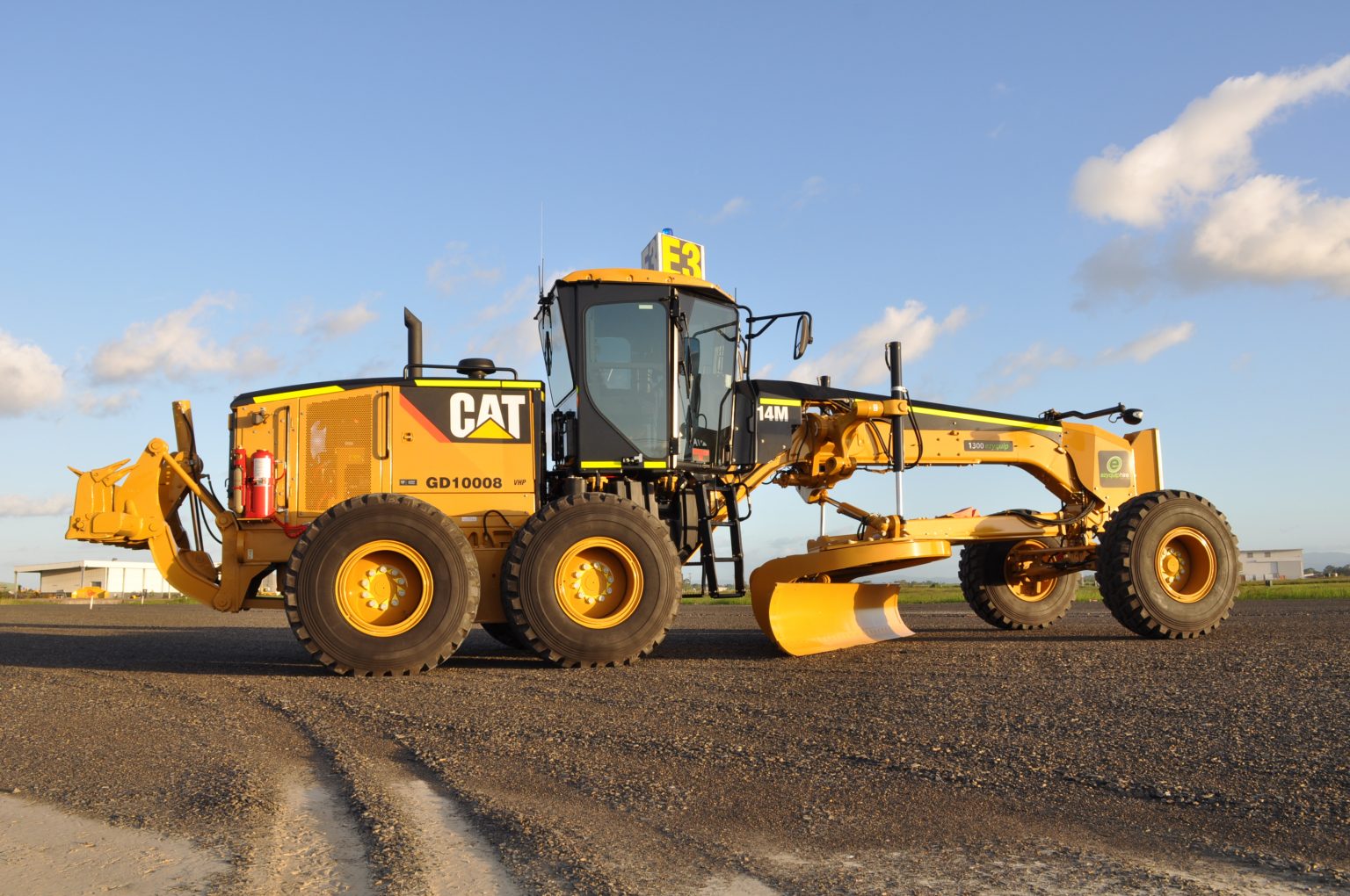
GPS, or Global Positioning Systems is a technology that has been around for decades. But in more recent years this technology has been developed for use in the construction and earthmoving industries as a way to monitor and control machinery. GPS can even be used for machine control with an array of equipment and is a flexible and accurate solution for achieving grade, reducing waste material, and improving productivity.
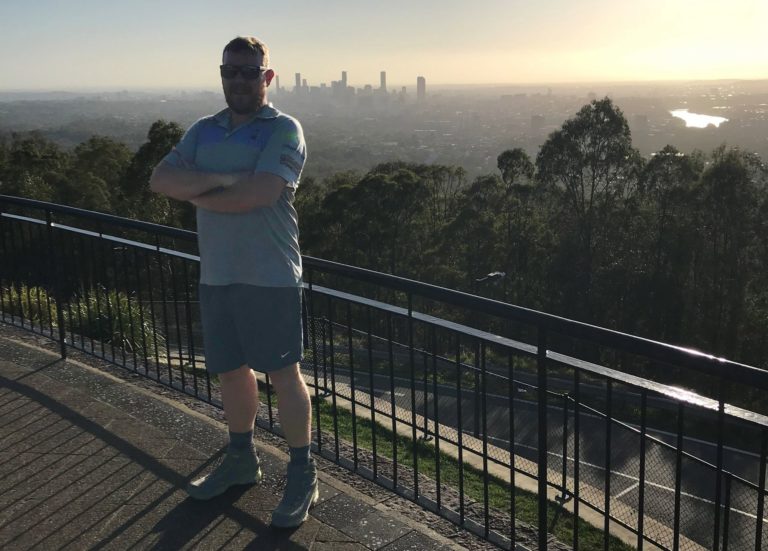
Each year Youngcare facilitate the ultimate Australian adventure challenge to raise much needed funds for suitable housing for people with disabilities.
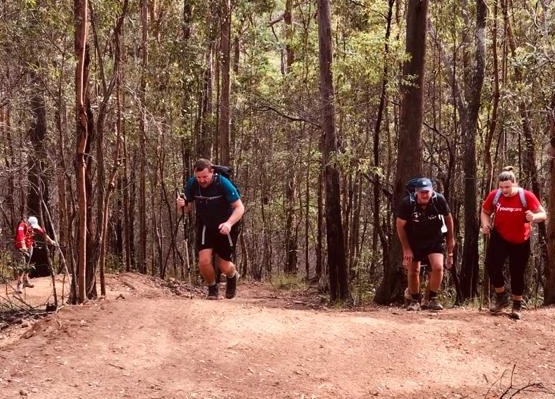
With less than 3 months to go until our National Business Development Manager Nick Darcy starts his 250+ kilometer trek through the Simpson Desert, his training and fundraising journey is still well underway. Of his fundraising efforts, Nick says “I’ve raised about $25k so far, but I’d like to raise over $40k for Youngcare if I can.”
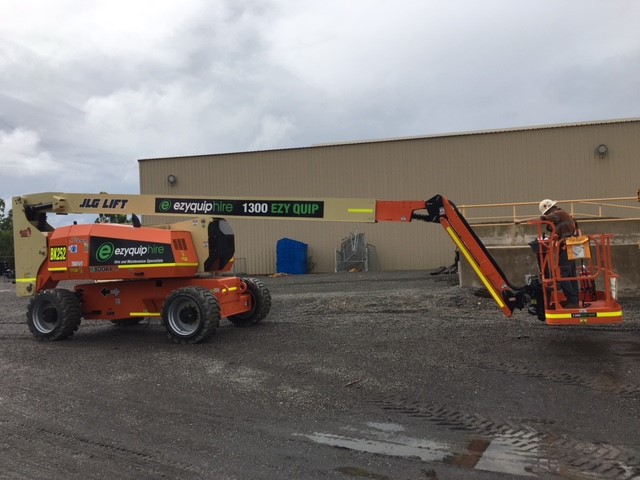
Recently, Ezyquip Hire added a hybrid articulated boom lift, the H800AJ from JLG Industries Australia, to our fleet of plant. The new addition was sourced for one of our mining customers, with our procurement team realising the benefits a hybrid machine can offer to their project. The new model presents many of the same features as the standard 800AJ boom lift but with an additional electric engine.
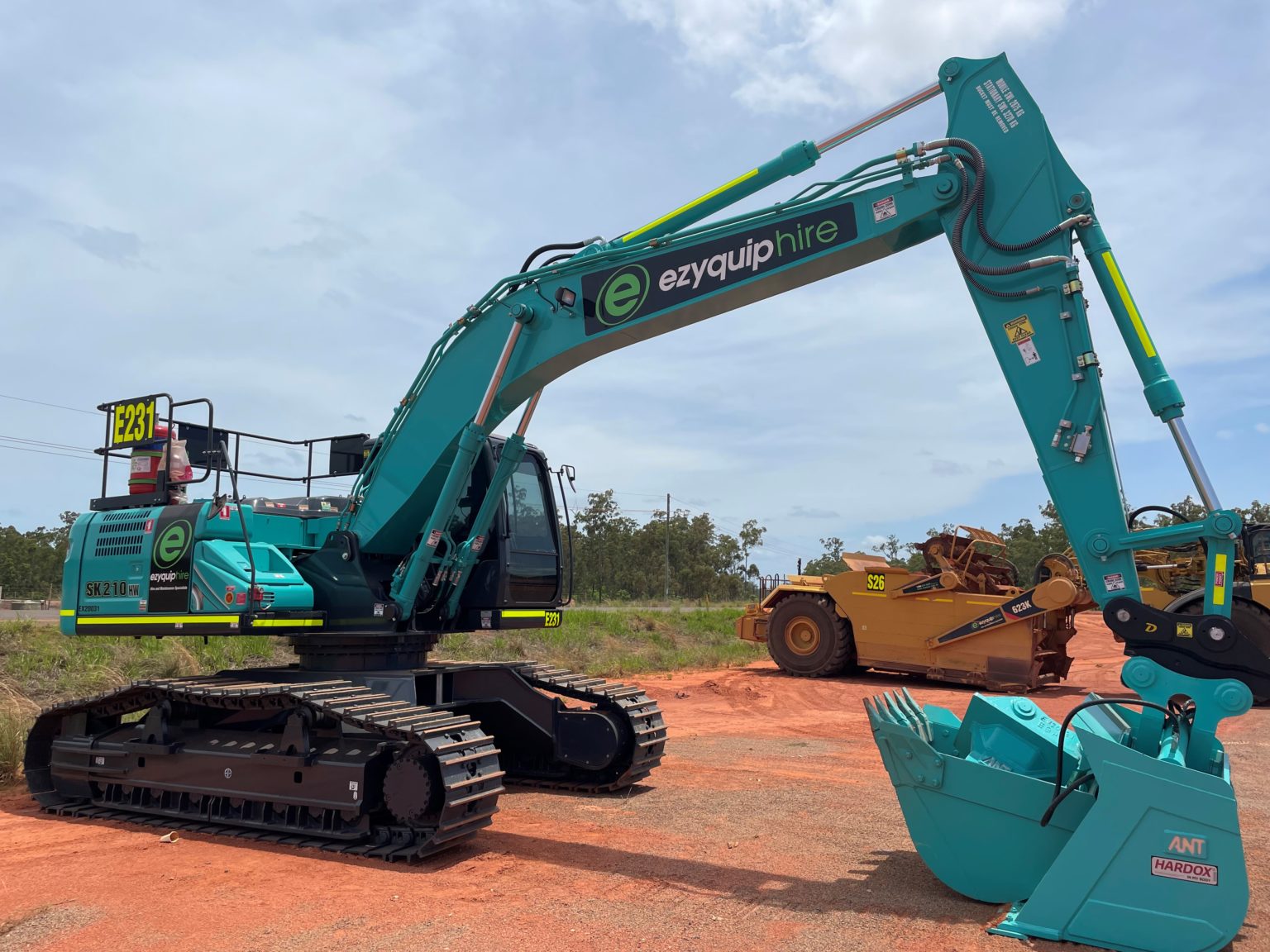
Over the past months, we have acquired a range of new machinery that have helped keep us at the top of our game in terms of providing quality and the latest technology for our clients.
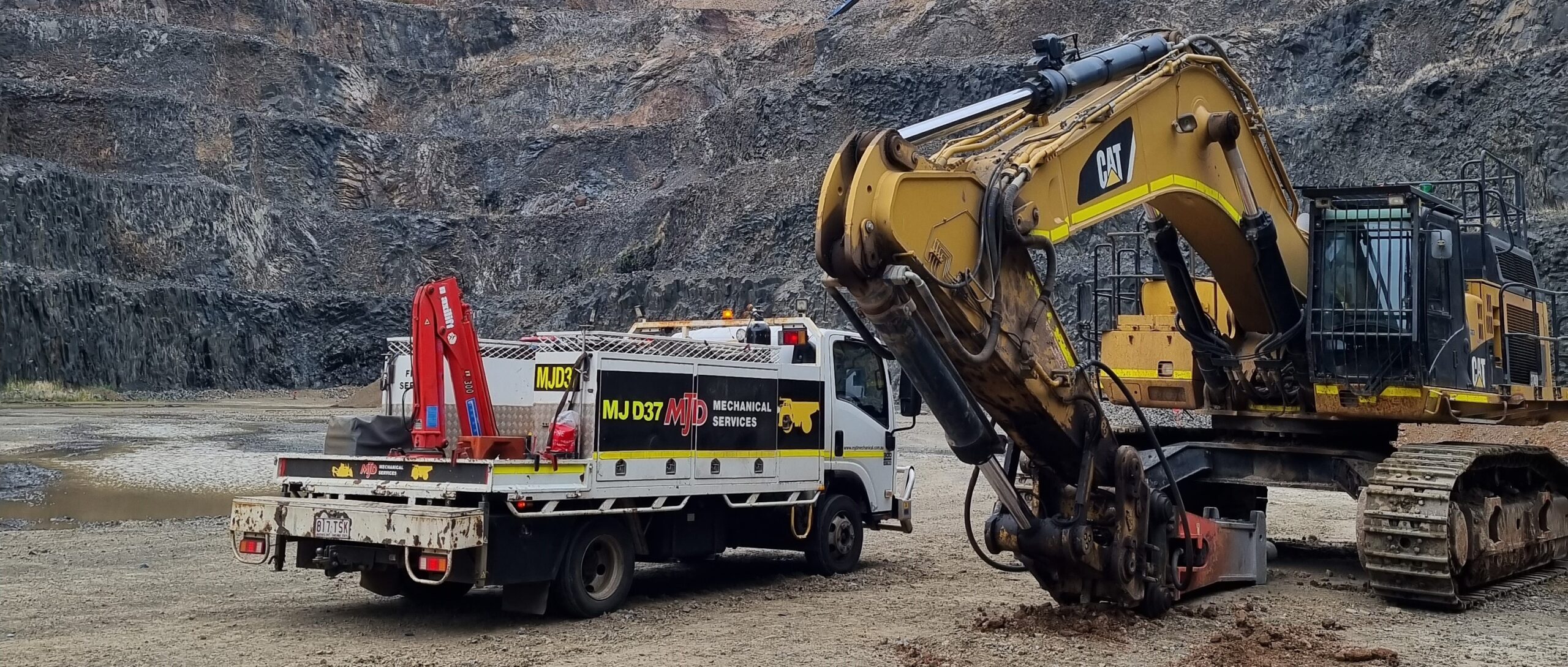
Ezyquip is most thrilled to officially announce our recent acquisition of MJD Mechanical Services, a heavy machinery specialist, primarily focused on mining and earthmoving machinery.
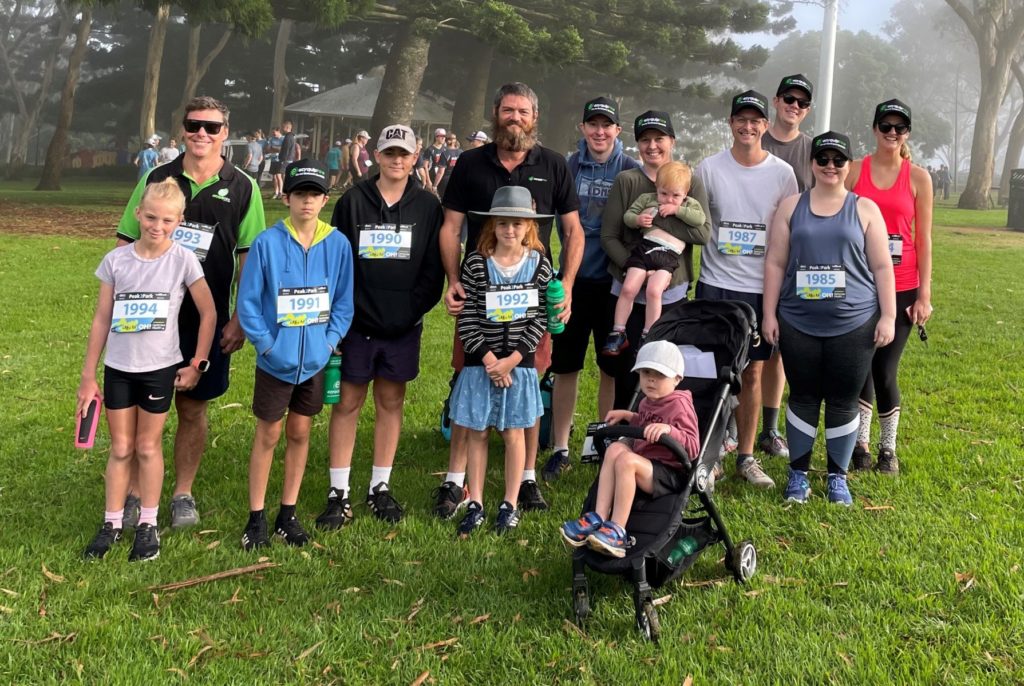
Last Sunday, a group of our Ezyquip team members and their families took on the Peak2Park fun run. Normally taking place the first Sunday of March, this years Peak2Park was rescheduled to the first Sunday of April due to the floods in early March.
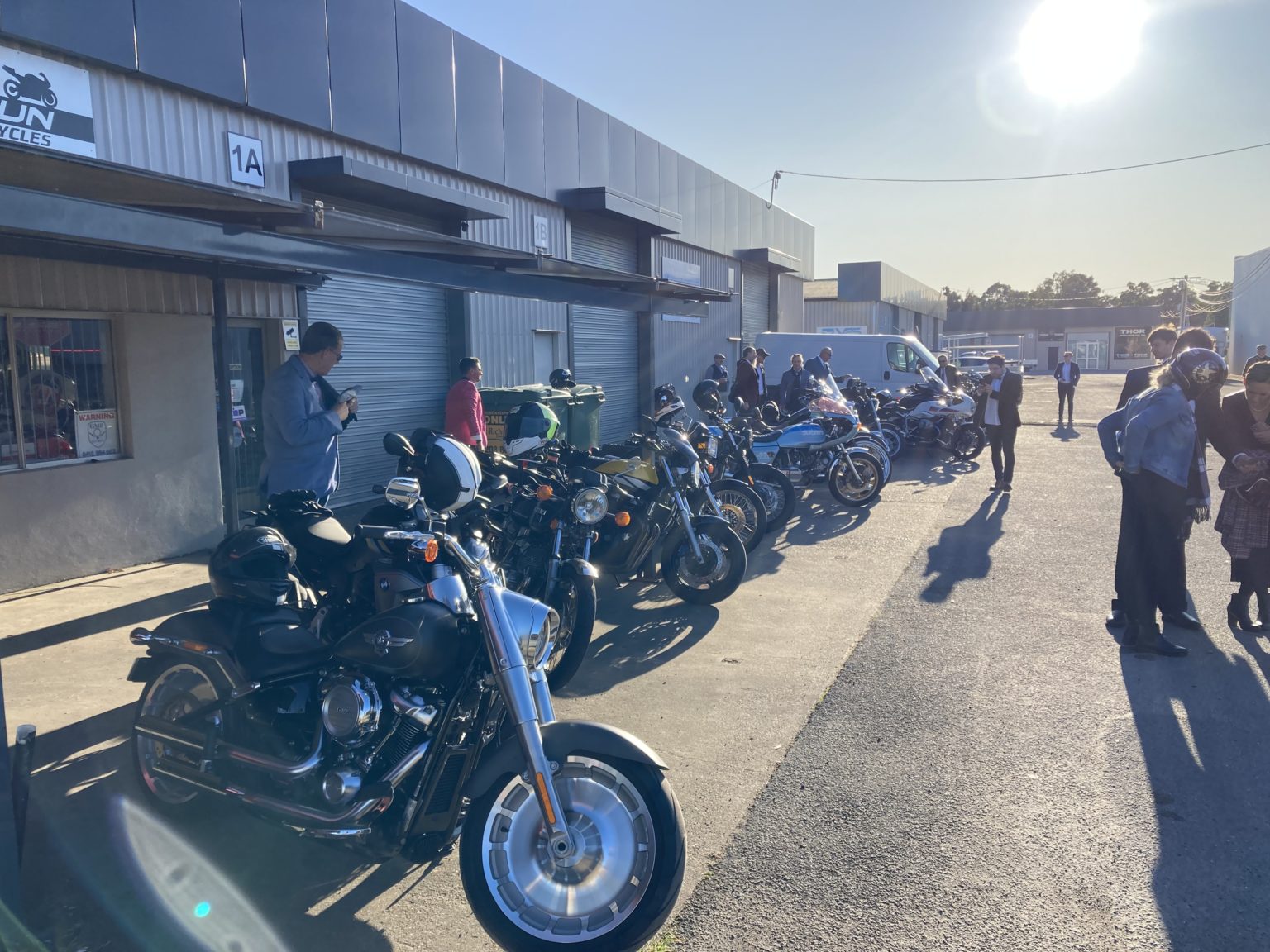
The Distinguished Gentleman’s Ride takes place across the globe to raise funds and awareness for prostate cancer and men’s mental health on behalf of Movember, whereby men and women gather together to ride their motorcycles. Alex is a cancer survivor himself and is happy to report his most recent results came back cancer-free!