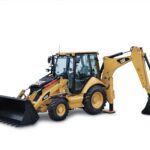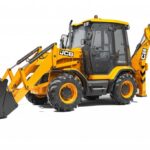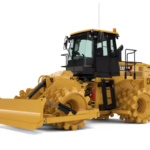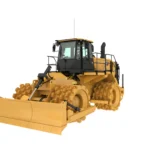
The machine that rolls off the truck on your site is freshly inspected by a fitter and ready to work. Behind it sits a maintenance and safety system most customers never see.
Mark Leon, one of our Maintenance Managers, is a qualified diesel fitter who spent 15 years on mine sites before joining Ezyquip, and he was surprised when he first saw that system up close.
“I was really pleasantly surprised with the maturity of some of the paperwork Ezyquip have, and the maturity around risk assessments,” he says. “I’ve worked for other places where that’s certainly not the case, but it is the case here.”
Every supplier in this industry talks about quality and safety. So we asked Mark to show us what it looks like in our workshop.
He learnt his trade in Australia and worked his way up from fitter to superintendent, with 10 years in leadership, including at Rio Tinto in Western Australia. He joined Ezyquip in 2021 as Maintenance Supervisor in Weipa and has been Maintenance Manager since 2022, overseeing our mining operations and fleet maintenance.
It starts with every decision
As he puts it, quality and safety are “ingrained” in every decision we make, “from the fitter all the way up to the chief executive.”
The proof shows up when we sell our used gear. Buyers are excited to get a machine that Ezyquip has owned and maintained, and he’s heard it many times. “It’s a stamp of quality, essentially, and that makes me feel really, really proud of our team.”
Quality: Why we sell it
“We have a large low-hour fleet. We’ve got a lot of machines that are still under warranty. We don’t have an aged fleet held together with band-aid fixes. That’s not how we do it.”
We buy new, put the gear to work, and sell it while it still has “a good life ahead of it.” Much of the fleet is sold while it is still under warranty. Smaller gear like skid steers and loaders follow a different schedule.
There is a commercial reason too, and he doesn’t dress it up. “We’re looking to sell it so we can, let’s be honest, get a good price for it. And you’re not going to get a good price for a piece of equipment that’s very old and poorly maintained.”
The proof is on our Gear Sales page, where you can see the gear we’re selling.
The care goes past the engine and the transmission. “If there’s a panel dented because of an accident on site, we will replace that panel, because we want our equipment to look the part as well as just act the part.”
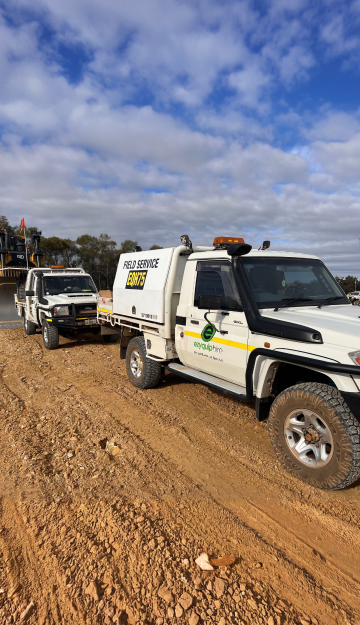
Every machine is inspected on the way in and on the way out
Every machine in our fleet gets the full service schedule its manufacturer recommends, such as the usual 250, 500 and 1,000-hour services.
That is the minimum. Every time a machine comes back from a job, a fitter inspects it, and again before it goes out. That is rare in earthmoving. “Most other places that I’ve worked essentially just stick to the services and that’s that.”
The fitter fills in a form and photographs any issues. The standard is to complete that inspection within 24 hours of a machine reaching the branch, and it usually happens the day it comes off the truck.
What they find goes straight into the maintenance plan. “Next time the machine is in for service, instead of just doing the oils and filters, we’re now doing the oils and the filters and all of these things that we found.” “We might have found a leaking hose. We might have found a panel with loose bolts. We might have found loose tracks. Well, now we’re fixing all of that along with the service.”
Safety you can check
“You get a lot of buzzwords with safety,” Mark says. Here, safety starts with a risk assessment before every task.
For everyday work, each team member completes a personal risk assessment in an app on their phone, called the EZY04. It walks them through the hazards, from slips and trips to tools and noise. For higher-risk work, like a crane lift, confined spaces, or working at heights, the crew breaks the job into steps and documents them in a detailed risk assessment (a JSEA). A supervisor has to sign it off before anyone starts.
Anyone on the job can stop it, too. “If the guys doing the work aren’t comfortable and they feel unsafe, they must stop the job.”
On a client’s site, we follow their rules as well as our own. “Quite often we’ll come over the top of those, and we actually aim for a higher level.”
Every week, management reviews the numbers for each part of the business, from risk assessments to hazards raised and what we’re doing about them. Incidents, near misses and hazards are reported to our board every month. That, he says, is “where the rubber meets the road.”
Our ISO 45001 certification backs it up. Mark has sat in on the audits. “He’s not just looking at buzzwords and numbers,” he says of the auditor. “He’ll go to the workfront himself, and he’ll audit processes. He’ll ask for evidence, and we’ve backed that up every time.”
“We do what we say we’re going to do.”
Quality, safety and on time
On every job, you want three things: gear that works, a crew that goes home safe, and a machine that turns up when you need it. We put everything we have into all three.
That is why the inspection happens the day a machine comes back. The sooner we know what it needs, the sooner we order the parts and line up the right people and tools. “I’d rather we make the deadline for sure.” And if a part will take a while, “at least if we know that as early as possible, we’re able to communicate those timeframes to the next customer.”
Every so often, a repair can’t be finished in time. When that happens, quality and safety come first, and we work it through with you from the start. If a machine needs more time, you’ll hear it from us early, along with the reason.
For Mark, that call is simple. “I can’t be sure that it’s going to go and represent us well until the repairs we’ve identified are done.” On safety, he is just as clear. “We won’t bend on it.”
When the chief executive walks the go line, and the gear isn’t up to his standards, which he calls “exceptionally high”, Mark knows who answers for it. “The buck stops with me.”
The people who hold the standard
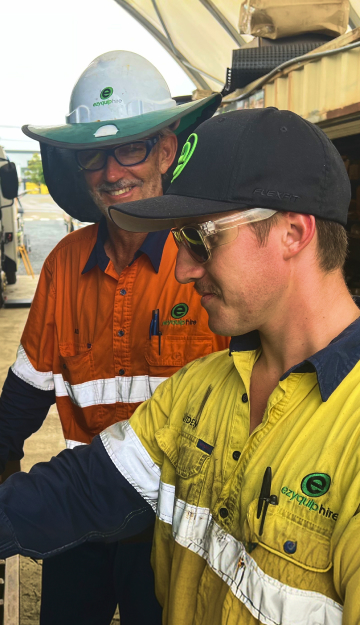
“I’ve spoken a lot about the processes, and the processes are tight, and I’m really proud of them,” Mark says. “But the processes are nothing without people. Our fitters are first class.”
He has worked on mine sites, for dealerships and in construction, all around the country. He says our fitters care about the same things he does, like “having a fleet that you’re proud of.”
“The success that we’ve had is not because of process, and it’s not because of me,” he says. “It’s because of them.”
Gear that turns up ready to work
For your project, no compromise comes down to one thing. The gear arrives ready, and it keeps working until the job is done. If you have a job coming up in mining, civil or anywhere in between, call us on 1300 399 784 or get in touch.
FAQ
How often does Ezyquip service its machines?
We follow each manufacturer’s recommended intervals, such as the usual 250-, 500-, and 1,000-hour services. On top of that, a fitter inspects every machine when it comes back from a job and again before it goes out.
How old is Ezyquip’s fleet?
We run a low-hour fleet, and many machines are still under warranty. We sell gear before it gets tired. For larger machines, around 8,000 hours is a guide we work to.
Is Ezyquip ISO certified?
Yes. Ezyquip holds ISO 9001, ISO 14001 and ISO 45001 certifications, and our safety processes are audited in the field.
What happens if a machine needs repairs before my job?
We tell you early. We inspect machines as soon as they come back, order parts straight away and give you a realistic date. We won’t send a machine out until the repairs are done.
Low-hour gear, an inspection after every job and a hard stop on safety. One of Ezyquip’s Maintenance Managers explains what “no compromise” means for your job.
Five branches across QLD, NSW and the NT, one standard of support. How Ezyquip keeps your gear running, from Toowoomba to the Tanami.
We have rebuilt our website around one question: Does this make life easier for our customers? Search by industry, machine, brand or task, and find the gear you need in fewer clicks.
From 50 machines to 760. The Ezyquip story: how a people-first plant and equipment business grew across QLD, NSW and the NT, and why the gear is only half of it.
Ezyquip is a 2026 Queensland Training Awards finalist for Large Employer of the Year, recognised for training and career growth across regional branches.
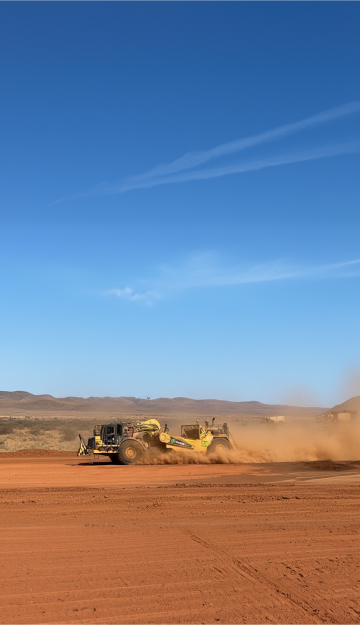
Remote equipment hire built for the long haul. We keep one machine or a fleet of 170 running 1,000km from the nearest town.
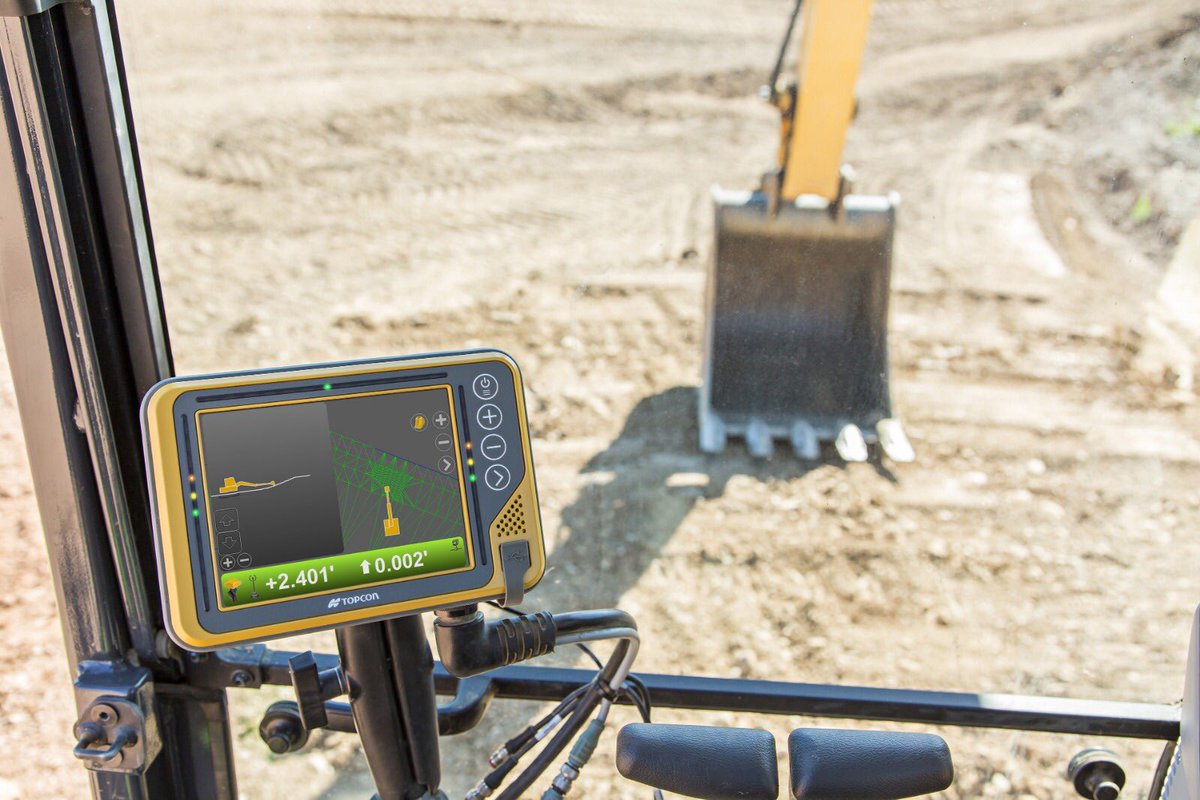
GPS, or Global Positioning Systems is a technology that has been around for decades. But in more recent years this technology has been developed for use in the construction and earthmoving industries as a way to monitor and control machinery. GPS can even be used for machine control with an array of equipment and is a flexible and accurate solution for achieving grade, reducing waste material, and improving productivity.
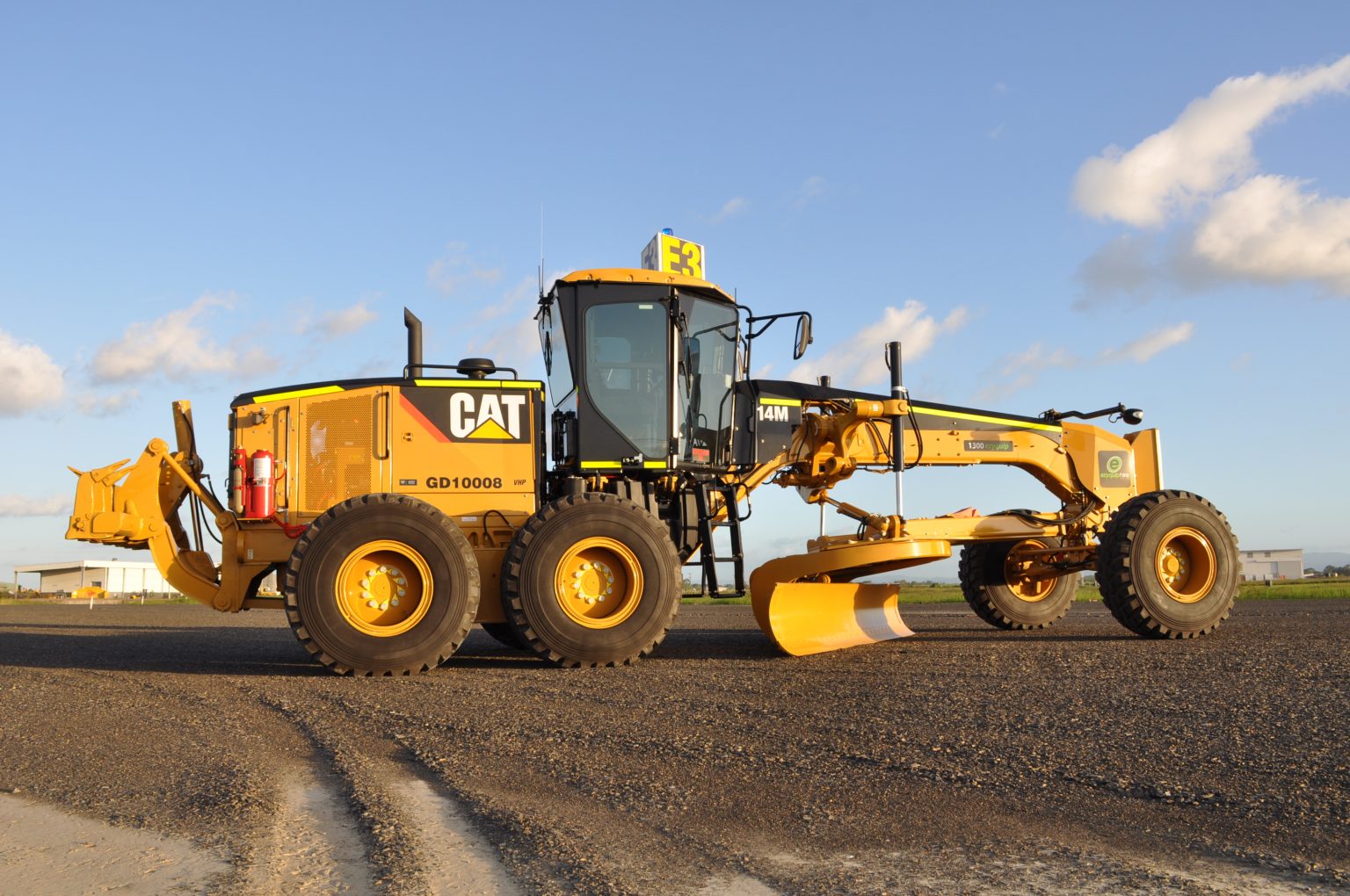
GPS, or Global Positioning Systems is a technology that has been around for decades. But in more recent years this technology has been developed for use in the construction and earthmoving industries as a way to monitor and control machinery. GPS can even be used for machine control with an array of equipment and is a flexible and accurate solution for achieving grade, reducing waste material, and improving productivity.
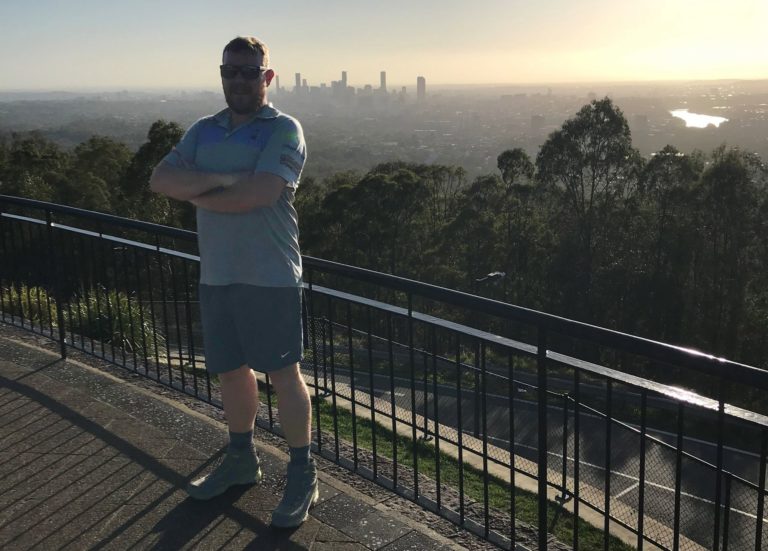
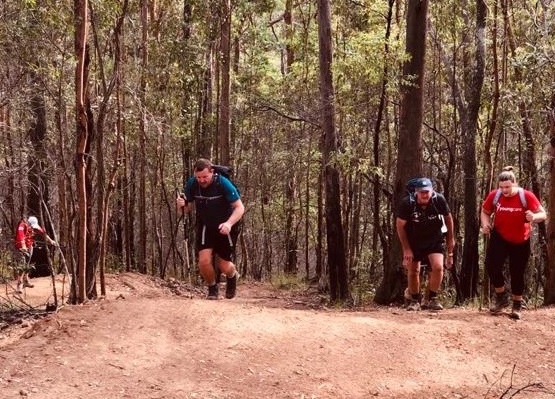
Each year Youngcare facilitate the ultimate Australian adventure challenge to raise much needed funds for suitable housing for people with disabilities.
With less than 3 months to go until our National Business Development Manager Nick Darcy starts his 250+ kilometer trek through the Simpson Desert, his training and fundraising journey is still well underway. Of his fundraising efforts, Nick says “I’ve raised about $25k so far, but I’d like to raise over $40k for Youngcare if I can.”
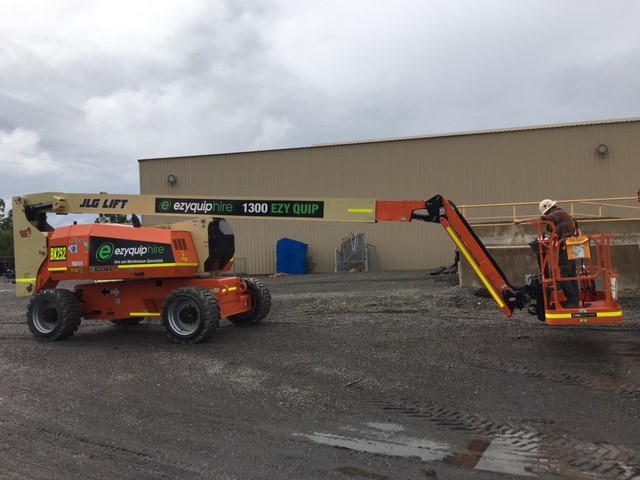
Recently, Ezyquip Hire added a hybrid articulated boom lift, the H800AJ from JLG Industries Australia, to our fleet of plant. The new addition was sourced for one of our mining customers, with our procurement team realising the benefits a hybrid machine can offer to their project. The new model presents many of the same features as the standard 800AJ boom lift but with an additional electric engine.
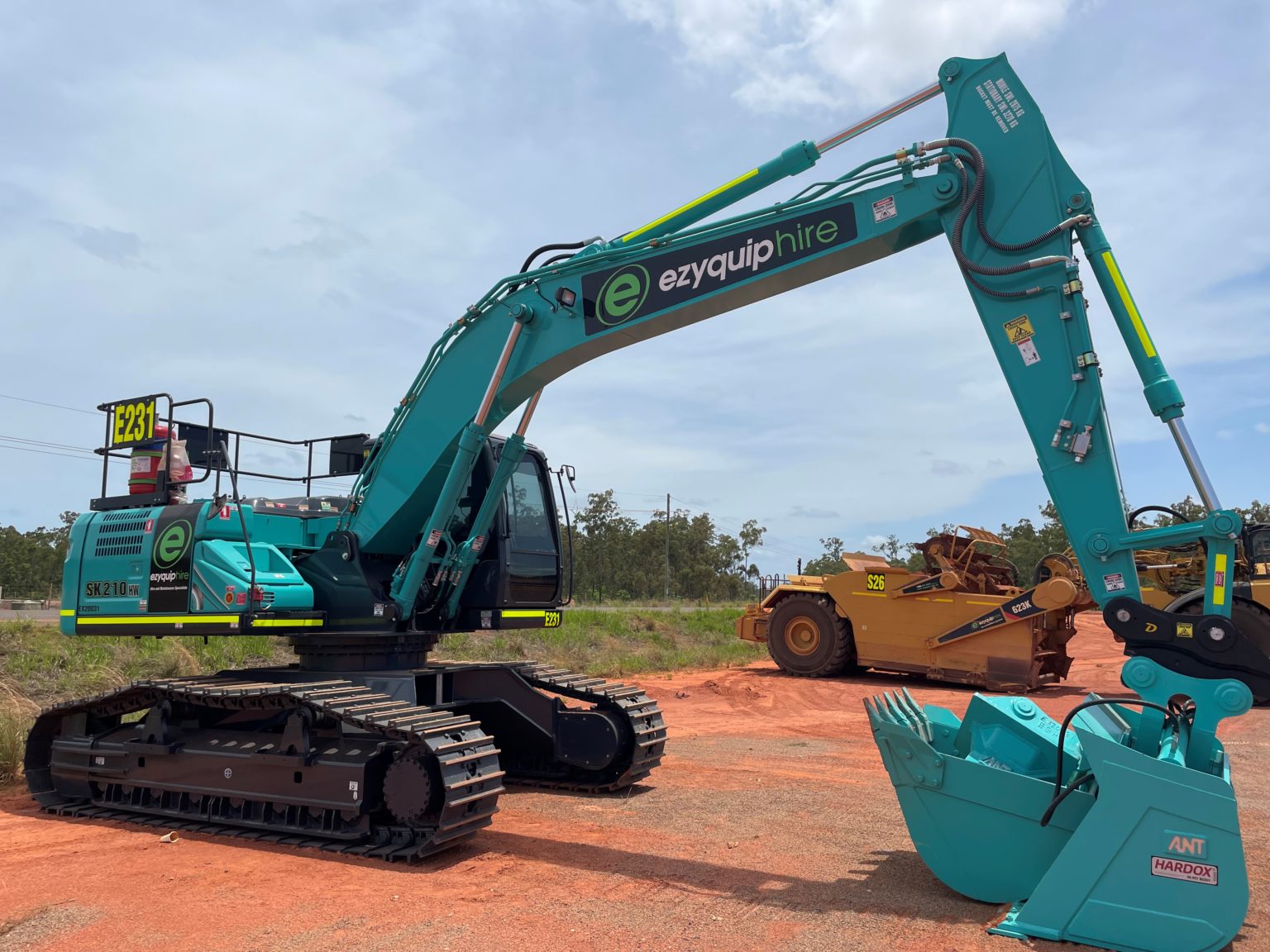
Over the past months, we have acquired a range of new machinery that have helped keep us at the top of our game in terms of providing quality and the latest technology for our clients.
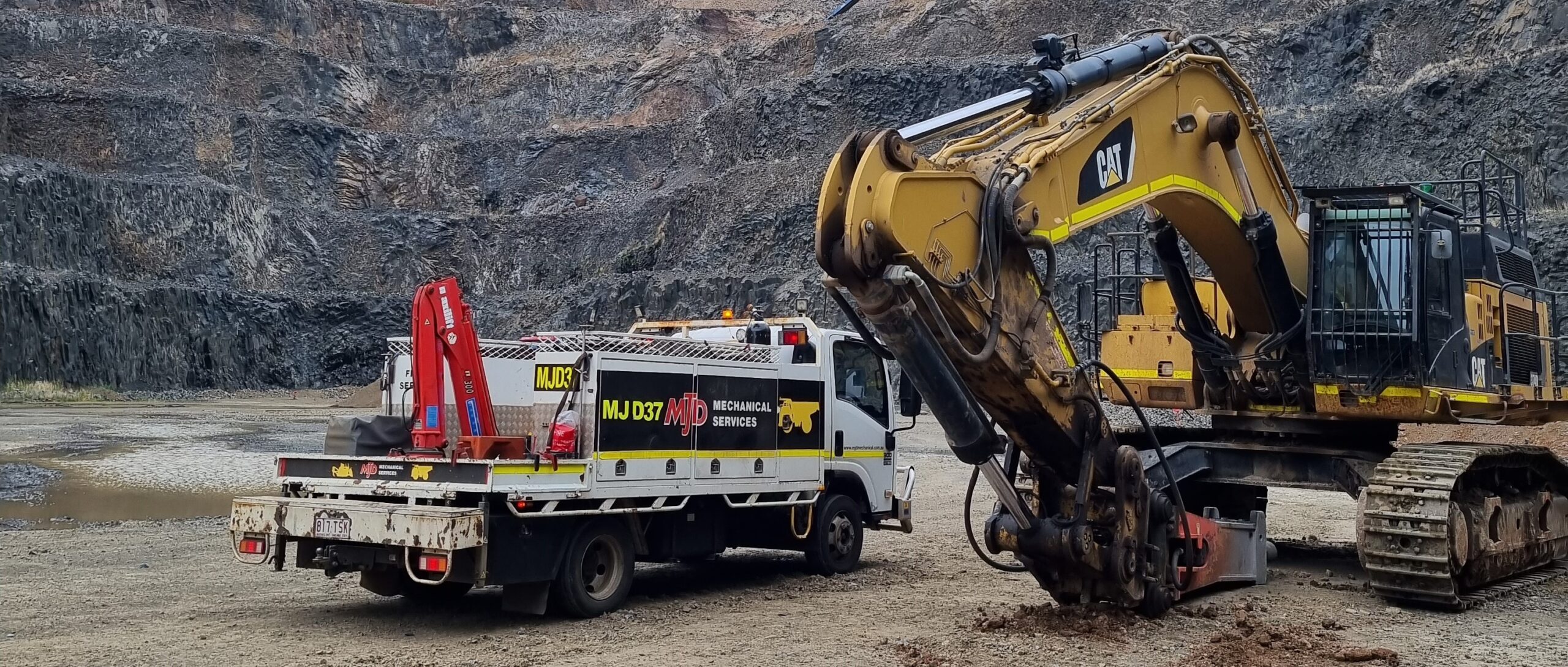
Ezyquip is most thrilled to officially announce our recent acquisition of MJD Mechanical Services, a heavy machinery specialist, primarily focused on mining and earthmoving machinery.
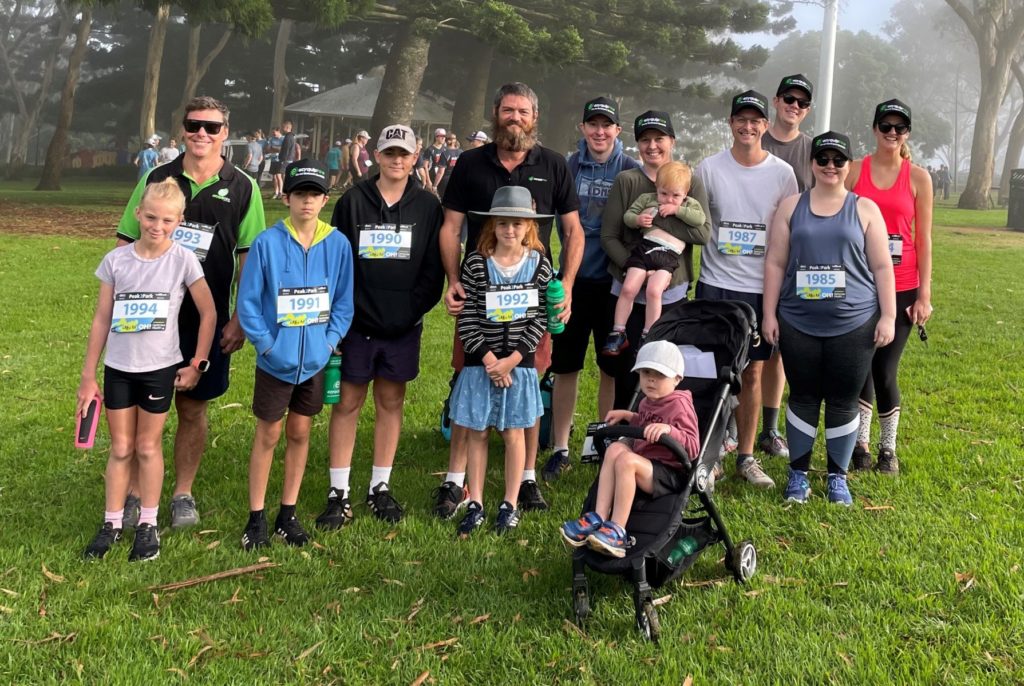
Last Sunday, a group of our Ezyquip team members and their families took on the Peak2Park fun run. Normally taking place the first Sunday of March, this years Peak2Park was rescheduled to the first Sunday of April due to the floods in early March.
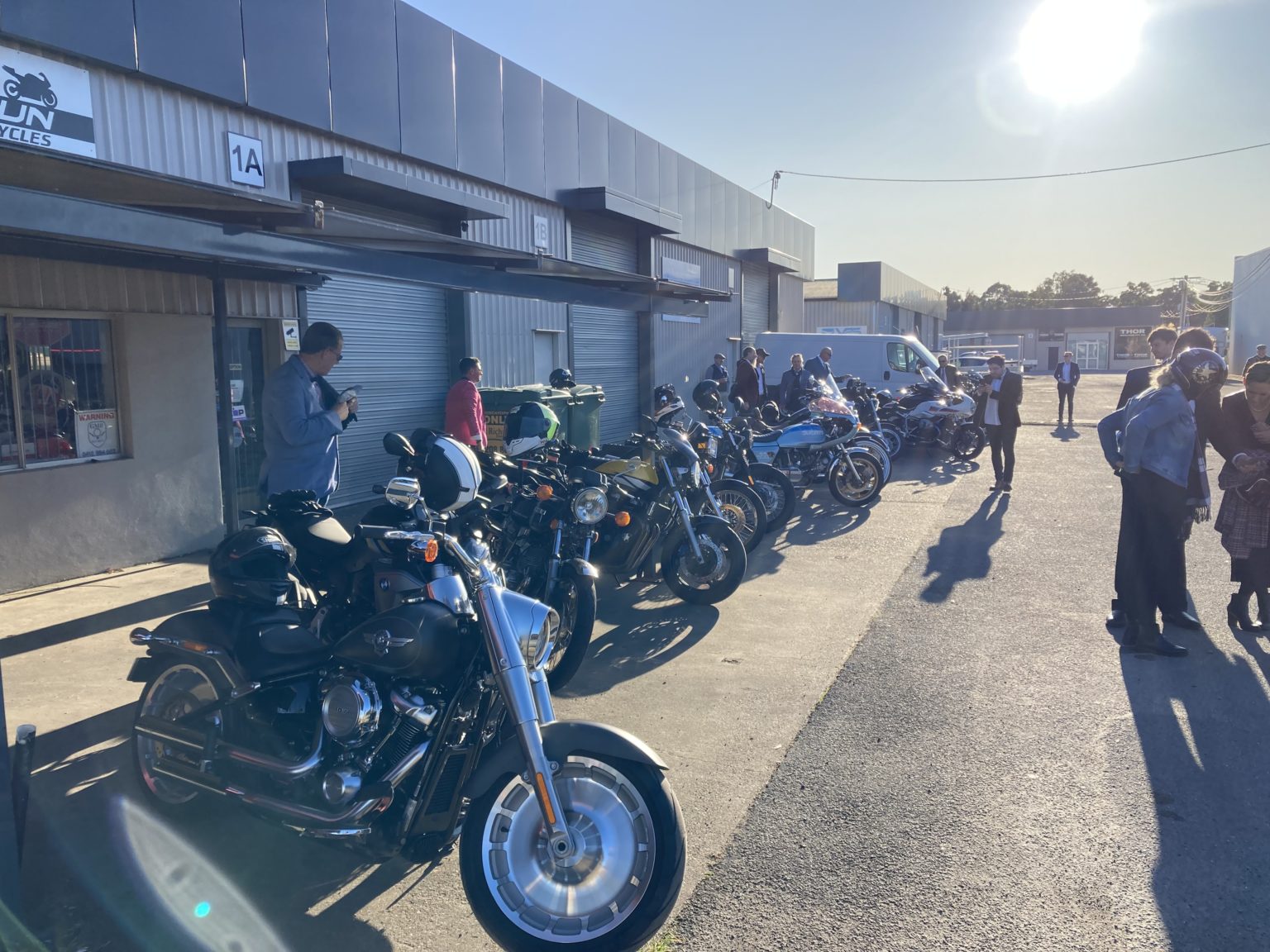
The Distinguished Gentleman’s Ride takes place across the globe to raise funds and awareness for prostate cancer and men’s mental health on behalf of Movember, whereby men and women gather together to ride their motorcycles. Alex is a cancer survivor himself and is happy to report his most recent results came back cancer-free!